
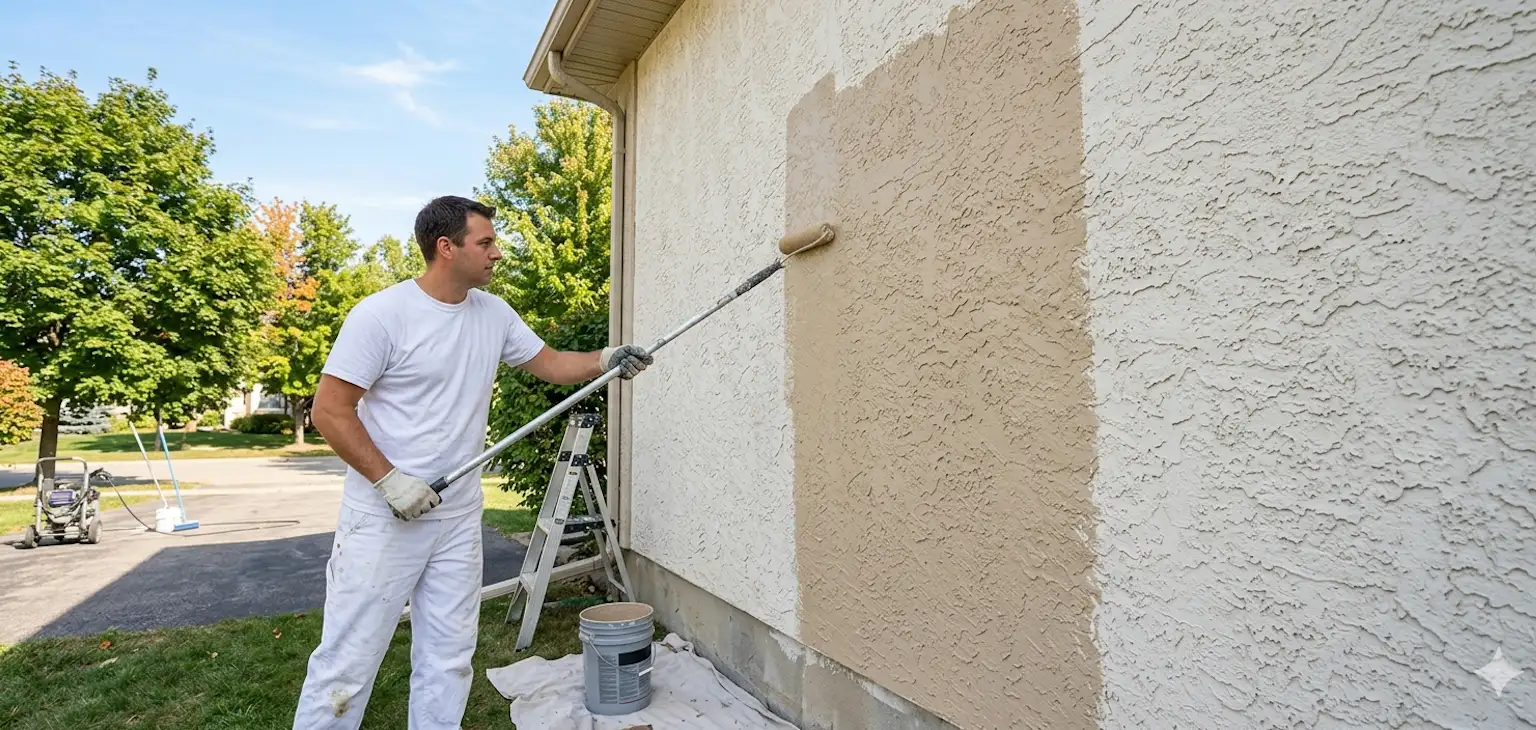

Best Time of Year for Stucco Painting?
Stucco has a personality. It breathes, expands, contracts, and reacts to the weather like a moody artist. That’s exactly why timing matters when it comes to painting it. Choose the right moment, and your paint job will look flawless for years. Choose the wrong one, and you might end up watching your investment crack, peel, or fade faster than expected.
So when is the perfect time to paint stucco? Let’s break it down step by step, with a bit of practical insight — and a touch of humor — to make sure you get it right the first time.
Why Timing Matters More for Stucco Than Other Surfaces
Unlike wood or vinyl, stucco is porous and highly sensitive to environmental conditions. It absorbs moisture, holds onto it, and releases it slowly. That means painting stucco isn’t just about applying color — it’s about working with the material.
If you paint too early in the season, moisture can get trapped beneath the paint layer. Too late, and temperature fluctuations can prevent proper curing. In both cases, the result is the same — reduced durability and a finish that won’t stand the test of time.
That’s why professionals always pay close attention to weather patterns, humidity levels, and temperature stability before starting any project.
The Ideal Temperature Range
When it comes to stucco painting, temperature is your best friend — or your worst enemy.
The sweet spot typically falls between 10°C and 25°C (50°F to 77°F). Within this range, paint adheres properly, dries evenly, and cures as intended.
Here’s what happens outside that range:
- Too cold – Paint thickens, adhesion weakens, and drying slows down significantly
- Too hot – Paint dries too quickly on the surface, leading to uneven coverage and potential cracking
Consistency is just as important as the temperature itself. Sudden drops or spikes can disrupt the curing process, which is why stable weather conditions matter just as much as the numbers on the thermometer.
Spring – A Fresh Start (With a Few Risks)
Spring feels like the obvious choice. The snow is gone, the sun is back, and everything is coming to life again. It’s tempting to grab a paintbrush and get started immediately.
But here’s the catch — early spring often brings lingering moisture from melting snow and frequent rain.
That means:
- Stucco may still contain hidden moisture
- Surfaces might not be fully dry
- Unexpected weather changes can interrupt the process
Late spring, however, is a different story. Once temperatures stabilize and the walls have had time to dry out, it becomes one of the best periods for painting.
Summer – The Most Popular Season
Summer is when most people think about exterior painting — and for good reason.
Longer days, consistent temperatures, and lower humidity create ideal working conditions. Paint dries efficiently, crews can work longer hours, and projects move faster.
But even summer has its quirks:
- Extreme heat can cause paint to dry too quickly
- Direct sunlight may lead to uneven finishes
- Afternoon storms can appear unexpectedly
Professional painters often adjust their schedule during summer — starting early in the morning, working in shaded areas, and planning around weather forecasts.
Done correctly, summer can deliver some of the most durable and visually appealing results.
Fall – The Hidden Champion
If there’s an underrated season for stucco painting, it’s fall.
The temperatures are moderate, the sun isn’t as intense, and humidity levels tend to be lower. These conditions create a near-perfect environment for paint to cure properly.
In fact, many professionals consider early fall to be the best time of year for stucco painting.
Why?
- Stable temperatures
- Minimal extreme heat
- Reduced risk of sudden weather changes
- Optimal curing conditions
The only limitation is the shorter window. Once temperatures start dropping toward freezing, the opportunity quickly disappears.
Winter – Just Don’t Do It
Winter and stucco painting simply don’t mix.
Cold temperatures prevent paint from curing properly, while snow and ice introduce moisture that compromises adhesion. Even if the surface looks dry, underlying conditions can ruin the entire project.
In short — winter painting is a gamble, and it’s rarely worth taking.
Moisture – The Silent Deal Breaker
Even if the temperature is perfect, moisture can quietly sabotage your project.
Stucco must be completely dry before painting. That includes not only surface dryness but also internal moisture levels.
Rain, humidity, and even morning dew can interfere with adhesion. Painting over damp stucco is one of the most common causes of peeling and blistering.
Professionals use moisture meters and follow strict drying timelines to ensure the surface is ready. It’s not guesswork — it’s precision.
Surface Preparation – Timing’s Best Partner
Choosing the right time of year is only half the equation. Preparation plays an equally important role.
Proper stucco painting includes:
- Cleaning the surface thoroughly
- Repairing cracks and imperfections
- Allowing adequate drying time
- Applying the correct primer
Skipping any of these steps can undermine even the best weather conditions.
That’s why experienced teams approach stucco painting as a complete system — not just a quick upgrade.
Why Professional Help Makes a Huge Difference
At first glance, painting stucco might seem like a manageable DIY project. A ladder, a roller, and a few gallons of paint — what could go wrong?
Quite a lot, actually.
From selecting the right paint type to understanding weather patterns and surface conditions, stucco painting requires a level of expertise that goes far beyond basic painting skills.
Professionals bring:
- Knowledge of materials and coatings
- Experience with climate-specific challenges
- Proper equipment for safe and efficient work
- Techniques that ensure long-lasting results
For homeowners considering exterior stucco painting Calgary, working with a skilled team ensures that every detail — from timing to application — is handled correctly.
How to Choose the Right Time for Your Project
If you’re planning a stucco painting project, here’s a simple way to approach it:
- Monitor temperature trends — aim for consistent moderate conditions
- Avoid rainy or highly humid periods
- Check that the surface is completely dry
- Plan for a few consecutive days of stable weather
- Consider seasonal advantages — late spring, summer, or early fall
Better yet, consult with professionals who can evaluate your specific situation and recommend the ideal timing.
Final Thoughts – Timing Is Everything
Painting stucco isn’t just about improving curb appeal — it’s about protecting your property and extending the life of your exterior.
The right timing ensures:
- Strong adhesion
- Even coverage
- Long-lasting durability
- A finish that looks great year after year
Late spring, summer, and early fall all offer excellent opportunities — each with its own advantages. The key is understanding the conditions and working within them.
And if there’s one takeaway worth remembering, it’s this — stucco rewards patience. Give it the right conditions, and it will return the favor with a finish that stands strong through every season.