

Can I Paint Over Lead Paint in My House?
If your house was built before bell-bottom jeans went out of fashion (the first time), there’s a chance it contains lead paint. And if you’ve recently stared at a chipped window frame or a slightly sad-looking wall and thought, “What if I just paint over it?” — you’re not alone. This question comes up constantly, especially in older Canadian homes where history, charm, and questionable paint choices often live side by side.
So let’s answer it honestly, clearly, and with a bit of humor: can you paint over lead paint in your house? Yes… but that “yes” comes with several very important conditions.
What Is Lead Paint and Why Was It Everywhere?
Lead paint was once the rock star of the paint world. It dried fast, lasted forever, and resisted moisture like a champ. Unfortunately, it also happened to be toxic — especially for children, pets, and anyone who enjoys breathing.
In Canada, lead-based paint was widely used in homes built before the late 1970s. While it’s been banned for decades, it didn’t magically disappear from existing houses. It’s still there, quietly hiding under newer layers of paint, waiting to cause problems when disturbed.
Is Lead Paint Dangerous If It’s Just Sitting There?
Here’s the surprising part: intact lead paint is not automatically dangerous.
If the paint is in good condition — not peeling, cracking, or turning into dust — it may pose little to no immediate risk. The real danger starts when lead paint is disturbed. Sanding, scraping, drilling, or even aggressive cleaning can release lead dust, which is easily inhaled or ingested.
That’s why many homeowners ask if painting over it is a safe solution.
Can You Paint Over Lead Paint Safely?
Short answer: yes, but only if it’s done correctly.
Painting over lead paint is called encapsulation. Instead of removing the lead paint (which can be risky and expensive), you seal it under a specialized coating or properly applied paint system. When done right, encapsulation prevents lead dust from escaping and keeps everyone safer.
When done wrong… it’s basically just putting a fancy bandage on a problem that can come back worse.
When Painting Over Lead Paint Is a Bad Idea
Painting over lead paint is not recommended if:
- The existing paint is peeling, flaking, or chalky
- The surface is damaged or deteriorating
- You’re planning renovations that involve sanding or demolition
- The area experiences friction (windows, doors, stairs)
In these cases, simply painting over the surface won’t stop lead dust from forming later.
The Right Way to Paint Over Lead Paint
If the surface is stable, professionals follow a very specific process:
- Testing to confirm the presence of lead
- Careful surface preparation without sanding or scraping
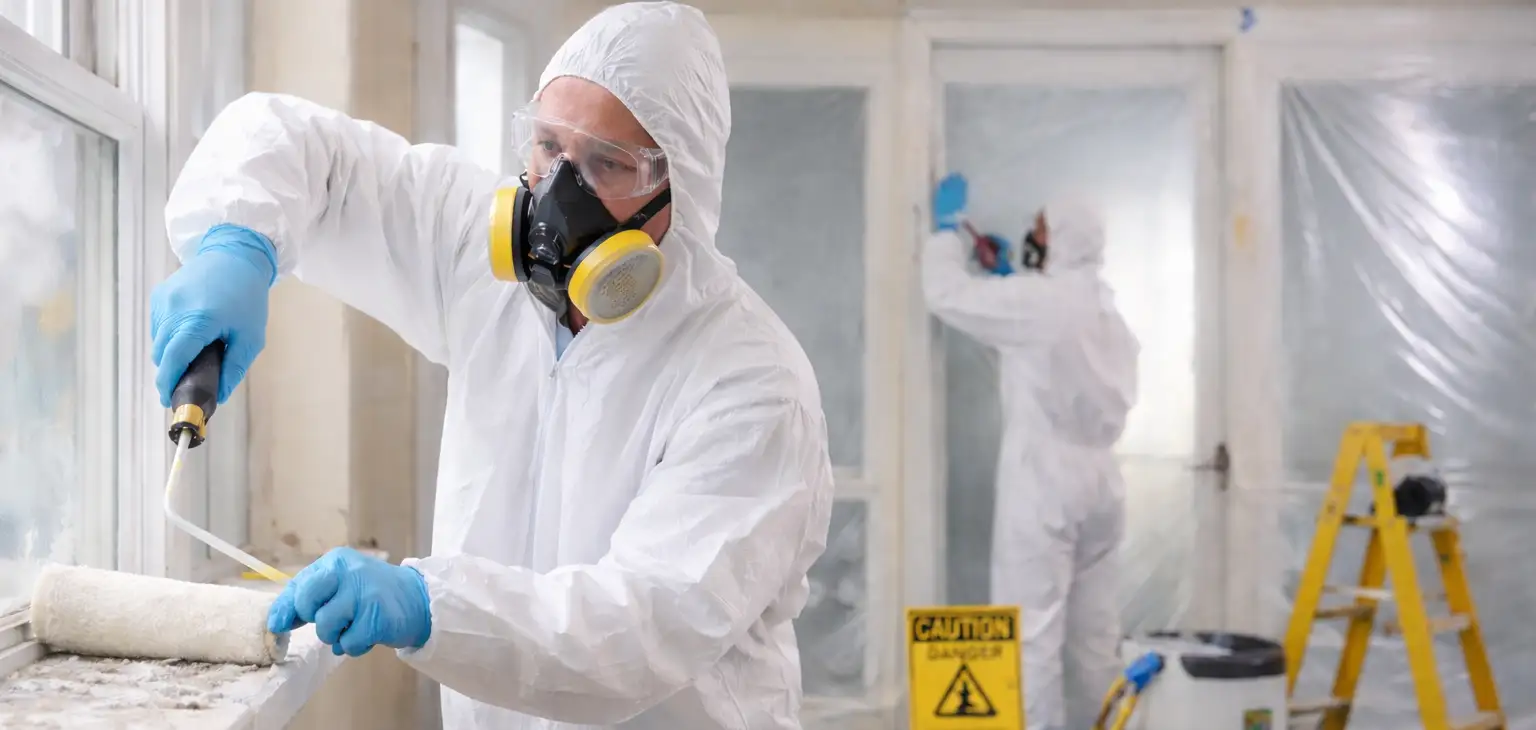
- Using proper containment to prevent dust spread
- Applying approved encapsulating primers or coatings
- Finishing with durable topcoats
This isn’t your average weekend DIY project. One wrong move — like dry sanding — can contaminate the entire room (or house).
This is exactly why experienced painters in Calgary often recommend professional assessment before touching older painted surfaces.
DIY vs Professional Work – A Reality Check
It’s tempting to grab a roller and say, “How hard can it be?” But lead paint changes the rules.
DIY lead paint work risks:
- Health hazards for your family
- Contaminating furniture and HVAC systems
- Costly cleanup if something goes wrong
- Potential issues when selling your home
Professional painting companies follow safety standards, use proper materials, and know how to handle older homes without turning them into a hazardous zone.
That’s where companies like Rennewservices step in — not just to make your walls look better, but to make sure the job is done safely and correctly the first time.
What About Selling a House With Lead Paint?
Lead paint doesn’t automatically make a home unsellable in Canada. However, improper handling absolutely can.
If lead paint is discovered:
- Buyers may request documentation
- Inspectors may flag unsafe conditions
- Poor DIY encapsulation can raise red flags
Professional painting work, on the other hand, often reassures buyers that the issue was handled responsibly.
Encapsulation vs Removal – Which Is Better?
Both options have their place:
Encapsulation
- Less expensive
- Faster
- Minimal disruption
- Ideal for stable surfaces
Removal
- More expensive
- Requires strict safety controls
- Best for damaged or high-friction areas
A professional evaluation helps determine the safest and most cost-effective option for your specific situation.
Why Hiring Professionals Makes Sense
Painting over lead paint isn’t just about paint — it’s about risk management.
Professional house painters Calgary homeowners trust:
- Know how to identify risky surfaces
- Use correct primers and coatings
- Protect your home during the process
- Deliver long-lasting, safe results
It’s not just about fresh color — it’s about peace of mind.
Final Thoughts – Should You Paint Over Lead Paint?
Yes, you can paint over lead paint in your house — if it’s done properly, safely, and professionally. It’s not about fear, and it’s not about panic. It’s about making informed decisions that protect your health, your home, and your investment.
If your house has history, charm, and a few mystery layers of paint, that’s normal. Just don’t treat lead paint like a regular repainting job. When in doubt, bringing in professionals like Rennewservices is often the smartest move — and sometimes the cheapest one in the long run.
Because the only thing that should be spreading in your home is good design — not toxic dust.