
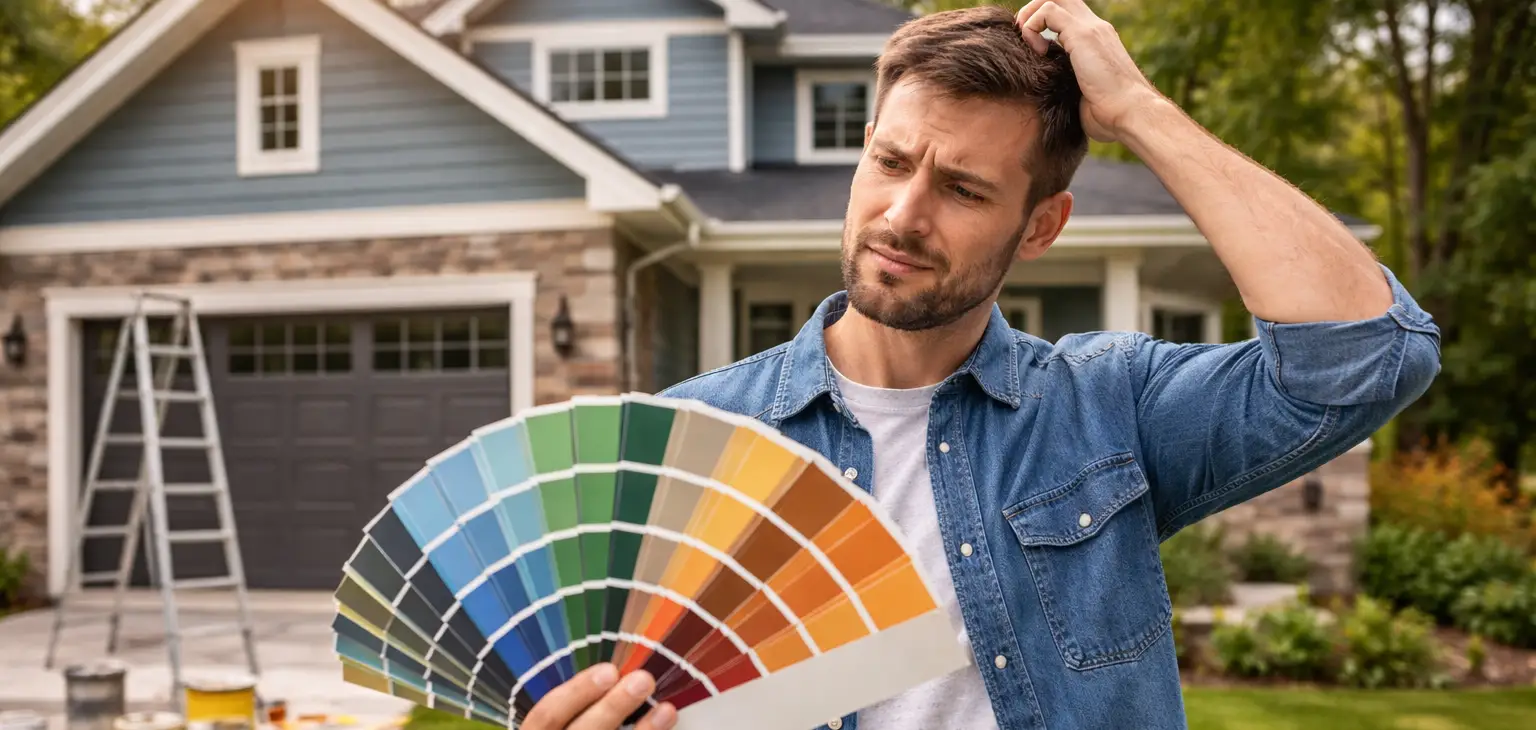

How to Choose Exterior Paint Color?
Choosing an exterior paint color for a house might seem simple at first. After all, how hard can it be to pick a color? You walk into a paint store, point at a sample that looks nice, and voilà — problem solved. At least, that’s the plan… until you realize there are hundreds of shades of white, fifteen kinds of gray, and something mysteriously called “whispering pebble mist.”
Suddenly, the decision becomes surprisingly complicated.
The truth is that exterior paint color has a huge impact on how a home looks, feels, and even how valuable it appears. The right color can make a property stand out in the best possible way, while the wrong choice can make even a beautiful house look awkward or outdated.
This guide will walk through the most important things to consider when choosing exterior paint — with a few helpful tips, practical advice, and a bit of humor along the way.
Start With the Style of the House
Before falling in love with a specific color, take a step back and look at the architecture of the house itself.
Different architectural styles tend to look best with different color palettes. For example:
- Modern homes often look great with clean, neutral tones like charcoal, black, white, or cool gray.
- Traditional homes frequently work well with warm neutrals, creams, and classic blues.
- Craftsman-style houses often use earthy combinations such as olive green, brown, and muted red.
- Coastal-style homes may feature light blues, soft grays, and sandy tones.
Trying to force a trendy color onto a house that doesn’t match the style can create a visual mismatch.
A good rule of thumb is simple — let the architecture guide the color choices rather than fighting against it.
Professional designers and experienced painters usually analyze these architectural details first before suggesting any color scheme.
Consider the Surroundings
A house does not exist in isolation. It lives within an environment that includes nearby houses, landscaping, trees, and natural light.
For example:
- Homes surrounded by trees often look better with earthy, natural tones.
- Houses in open sunny areas may benefit from cooler or darker colors that balance strong light.
- Properties near water or open fields sometimes look best with softer tones that blend into the scenery.
Neighborhood context also matters. Choosing a neon green exterior might certainly make the house memorable — but not necessarily in a good way.
The goal is usually to stand out just enough while still fitting comfortably within the surroundings.
Professionals often take photos of the property, study the lighting at different times of day, and analyze nearby homes before recommending paint colors.
Understand Undertones
One of the biggest surprises for homeowners is discovering that many colors are not what they appear at first glance.
Take gray paint as an example. Gray may actually contain subtle undertones such as:
- Blue
- Green
- Purple
- Brown
These undertones can become much more visible once the paint is applied to a large exterior surface.
This explains why a gray sample that looked perfect in the store suddenly appears slightly purple on the house. It’s not a conspiracy by paint companies — it’s simply how color perception works.
Testing several large samples on different sides of the house is extremely important before making a final decision.
Professional painters often know which colors behave predictably outdoors and which ones tend to shift dramatically depending on lighting conditions.
Think About Roof, Stone, and Trim
Exterior paint does not exist alone. It must coordinate with fixed elements such as:
- Roof shingles
- Brick
- Stone
- Windows
- Doors
- Trim
For example, a house with warm brown roof shingles usually works best with warm-toned exterior paint. A cool gray roof might pair better with cooler color palettes.
Ignoring these permanent features can lead to color combinations that feel slightly “off,” even if the paint itself looks nice.
A good exterior color scheme typically includes three coordinated parts:
- Main body color
- Trim color
- Accent color (for doors, shutters, or decorative elements)
Balancing these elements properly creates depth and visual interest without overwhelming the design.
This is another reason many homeowners prefer hiring a professional painter in Calgary who has experience with color harmony and exterior design.
Remember That Paint Looks Lighter Outdoors
Paint almost always looks lighter outside than it does on a small sample card.
Sunlight reflects strongly off exterior surfaces, which can make colors appear brighter and more washed out.
Because of this, many experts recommend choosing a shade slightly darker than what initially seems ideal.
Testing samples directly on the exterior wall — and viewing them at different times of day — helps prevent unexpected surprises.
Morning light, afternoon sun, and evening shadows can all dramatically change how the color appears.
Avoid Trend Traps
Trendy colors can be tempting. Every year, magazines and design blogs highlight the “must-have colors of the season.”
But exterior paint lasts for many years.
A color that feels exciting today might look dated surprisingly quickly.
Timeless color palettes tend to include:
- Soft whites
- Warm grays
- Deep blues
- Natural greens
- Earthy neutrals
These shades have remained popular for decades because they complement a wide range of home styles.
That doesn’t mean avoiding personality entirely — bold accent colors on doors or shutters can add character without committing the entire house to a risky trend.
Quality of Application Matters
Even the perfect color will not look good if the paint job itself is poorly done.
Exterior painting involves much more than simply applying paint to walls. Proper preparation is essential and usually includes:
- Pressure washing surfaces
- Scraping old peeling paint
- Repairing damaged wood or siding
- Priming surfaces properly
- Applying multiple coats evenly
Skipping these steps often leads to premature peeling, fading, and uneven finishes.
Experienced exterior house painters Calgary understand the importance of preparation and use professional tools and techniques to ensure the finish lasts for years.
This level of craftsmanship is difficult to replicate with a weekend DIY attempt.
Professional Advice Saves Time and Money
Choosing exterior paint color can easily become overwhelming. With thousands of shades available, decision fatigue is very real.
Professional painting companies often provide color consultation services that help narrow down the options quickly.
These experts consider:
- Architecture
- Lighting
- Surrounding environment
- Existing materials
- Long-term durability of colors
Instead of guessing and hoping for the best, homeowners can rely on proven experience.
In many cases, this guidance prevents costly mistakes such as repainting an entire house simply because the original color choice did not work.
The Right Color Transforms Everything
Exterior paint has the power to completely transform how a home looks and feels.
The right color can:
- Increase curb appeal
- Highlight architectural features
- Make a home appear newer and more valuable
- Create a welcoming and polished first impression
Choosing that color requires careful thought, testing, and planning.
While it might be tempting to turn the project into a DIY adventure, exterior painting is one area where professional expertise often makes a dramatic difference.
With proper preparation, expert color selection, and skilled application, the final result can make a house look stunning for many years.
And most importantly — it eliminates the possibility of accidentally discovering that “whispering pebble mist” looks suspiciously purple once it covers the entire house.