
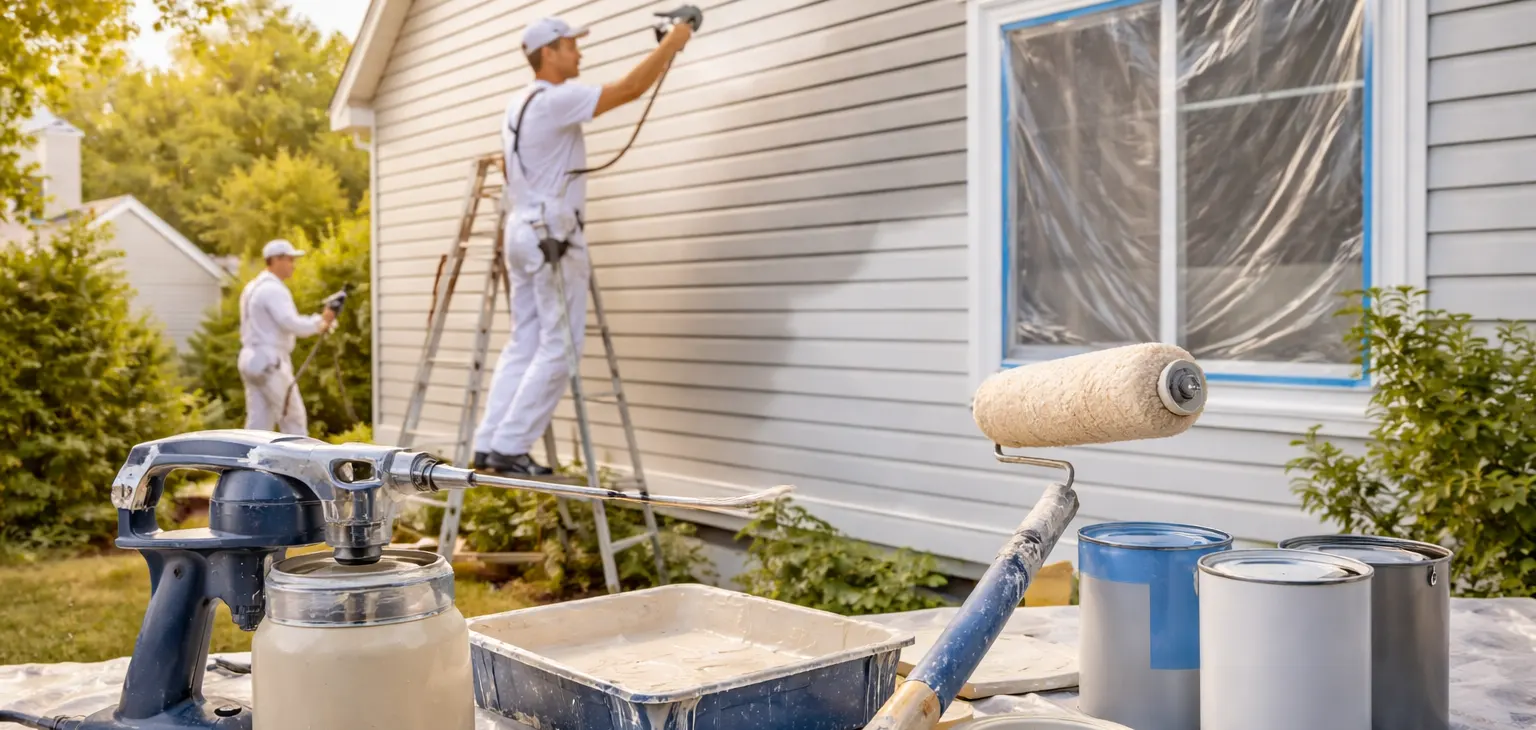

How to Paint Vinyl Siding?
Painting vinyl siding sounds simple at first – grab a roller, pick a color, and transform your home in a weekend. In reality, it’s a project that sits somewhere between “satisfying upgrade” and “why didn’t I just call professionals?”
Vinyl siding is durable, low maintenance, and designed to last for decades. But color fades, styles change, and sometimes your home just needs a fresh look. Done correctly, painting vinyl siding can dramatically boost curb appeal and even increase property value. Done incorrectly, it can peel, warp, or trap moisture – and cost far more to fix than to do properly from the start.
Let’s break down everything you need to know about how to paint vinyl siding – and why professional help often makes all the difference.
Can You Paint Vinyl Siding?
Yes – but with conditions.
Vinyl siding was originally designed to be maintenance-free, meaning it doesn’t require painting. However, modern paint technologies allow for safe, long-lasting application as long as:
- The siding is in good structural condition
- The surface is thoroughly cleaned
- The correct type of paint is used
- The color choice is compatible with vinyl
Painting vinyl is not the same as painting wood or brick. Vinyl expands and contracts with temperature changes. If the paint isn’t flexible enough, it will crack or peel prematurely. That’s why experienced professionals offering services such as general paint Calgary Ab understand the importance of using vinyl-safe, high-quality exterior coatings.
Choosing the Right Paint for Vinyl Siding
This step alone determines whether your project lasts 10 years or 10 months.
Use 100% Acrylic Exterior Paint
Acrylic latex paint is the gold standard for vinyl siding because it:
- Expands and contracts with the material
- Resists fading and UV damage
- Adheres well to plastic surfaces
- Provides flexibility over time
Avoid oil-based paints – they don’t flex properly and can lead to cracking.
Choose a Vinyl-Safe Color
Here’s something many DIYers discover too late: darker colors absorb more heat.
Vinyl siding can warp if it becomes too hot. That’s why manufacturers recommend selecting colors that are similar to or lighter than the original shade. Some paint brands now offer “vinyl-safe” color collections designed to reflect heat rather than absorb it.
Professionals evaluate siding thickness, sun exposure, and orientation before recommending a color – because what looks amazing in a showroom might behave very differently on your south-facing exterior wall.
Preparing Vinyl Siding for Painting
Preparation is 70% of the project. Skip this, and the rest doesn’t matter.
Step 1 – Inspect the Surface
Look for:
- Cracks or loose panels
- Mold or mildew
- Warping
- Chalky residue
Any damaged siding should be repaired or replaced before painting.
Step 2 – Deep Cleaning
Vinyl accumulates dirt, mildew, pollen, and environmental residue. Paint will not adhere properly to a dirty surface.
The best approach:
- Pressure washing (with correct pressure settings)
- Mild detergent solution
- Mold treatment if necessary
Be careful – too much pressure can force water behind panels, causing hidden moisture issues.
This is often where homeowners realize the project is more technical than expected. Professional crews use calibrated equipment and cleaning solutions to ensure optimal adhesion without causing damage.
Step 3 – Allow Proper Drying Time
Vinyl must be completely dry before painting. Depending on weather conditions, this can take 24 – 48 hours.
Painting too soon traps moisture and leads to bubbling.
Do You Need Primer on Vinyl Siding?
In most cases, primer is not required if:
- The siding is in good condition
- You are using high-quality acrylic paint
- The color change is moderate
However, primer may be recommended if:
- There are stained areas
- The surface is heavily weathered
- You’re making a significant color shift
Professional painting services evaluate these conditions carefully. Applying unnecessary primer wastes time and money – but skipping it when needed can shorten the lifespan of the finish.
Tools and Application Methods
Now comes the fun part – applying the paint.
Sprayer vs Roller vs Brush
Each method has pros and cons:
- Sprayer – Fast, smooth finish, ideal for large surfaces
- Roller – Better control, good for small projects
- Brush – Used for detail work and edges
Most professionals prefer spraying followed by back-rolling for uniform coverage and proper penetration into textured surfaces.
DIY painters often underestimate how much overspray control and masking is required. Windows, landscaping, roofing, and neighboring properties all need protection. Preparation alone can take hours.
Ideal Weather Conditions
Weather plays a critical role in how paint cures.
Ideal conditions:
- Temperature between 10°C and 30°C
- Low humidity
- No rain forecast for 24 – 48 hours
- Overcast or shaded conditions preferred
Direct sunlight can cause paint to dry too quickly, leading to uneven coverage.
Experienced exterior painters monitor weather patterns carefully before scheduling a project. Timing isn’t just convenience – it directly affects durability.
How Many Coats Are Needed?
In most cases:
- One high-quality coat may be sufficient
- Two coats ensure maximum durability and color richness
Thin, even coats are better than thick applications. Heavy layers increase the risk of drips and uneven curing.
Professional teams calculate material quantities precisely to avoid patchiness or waste – something that can easily happen in DIY projects.
Common Mistakes to Avoid
Here are the top pitfalls homeowners face:
- Choosing non-vinyl-safe paint
- Ignoring cleaning and surface preparation
- Painting in direct sunlight
- Applying paint too thick
- Selecting a color much darker than original siding
- Skipping professional assessment
What starts as a weekend upgrade can turn into peeling paint within a year if these mistakes occur.
How Long Does Painted Vinyl Siding Last?
When properly applied with high-quality materials:
- 8 – 15 years of performance is typical
- Color retention depends on UV exposure
- Regular gentle cleaning extends lifespan
Professional workmanship significantly impacts longevity. Attention to preparation, correct materials, and proper curing conditions makes the difference between a short-term fix and a long-term investment.
Is It Worth Doing It Yourself?
Let’s be honest – painting vinyl siding is not the most forgiving DIY project.
While it’s technically possible, homeowners must consider:
- Equipment costs
- Safety risks (ladders, heights)
- Time commitment
- Potential for expensive mistakes
The savings of DIY often shrink once materials, tools, and unexpected corrections are factored in.
That’s why many property owners choose experienced companies specializing in general paint. Professional teams streamline the entire process – from color consultation to final inspection – ensuring the finish looks exceptional and performs for years.
Why Professional Exterior Painting Delivers Better Results
A reputable painting company offers:
- Proper surface evaluation
- High-performance vinyl-safe coatings
- Commercial-grade equipment
- Weather planning and scheduling
- Full surface protection and masking
- Warranty-backed workmanship
Painting vinyl siding isn’t just about changing color – it’s about protecting your home’s exterior envelope.
Companies like Rennewservices understand how to balance aesthetics, durability, and material science. A professionally painted exterior enhances curb appeal, improves market value, and protects siding from environmental wear.
Final Thoughts – Refreshing Your Home the Right Way
Painting vinyl siding can completely transform your home’s appearance. It’s cost-effective compared to replacement, environmentally responsible, and visually impactful.
But success depends on precision – correct paint, careful preparation, ideal weather conditions, and skilled application.
If you enjoy weekend challenges and meticulous surface prep, DIY may appeal to you. If you prefer guaranteed results, efficiency, and long-term durability, partnering with experienced professionals is often the smarter investment.
A beautifully refreshed exterior doesn’t just look good – it signals care, quality, and pride of ownership. And when done properly, it stays that way for years to come.