
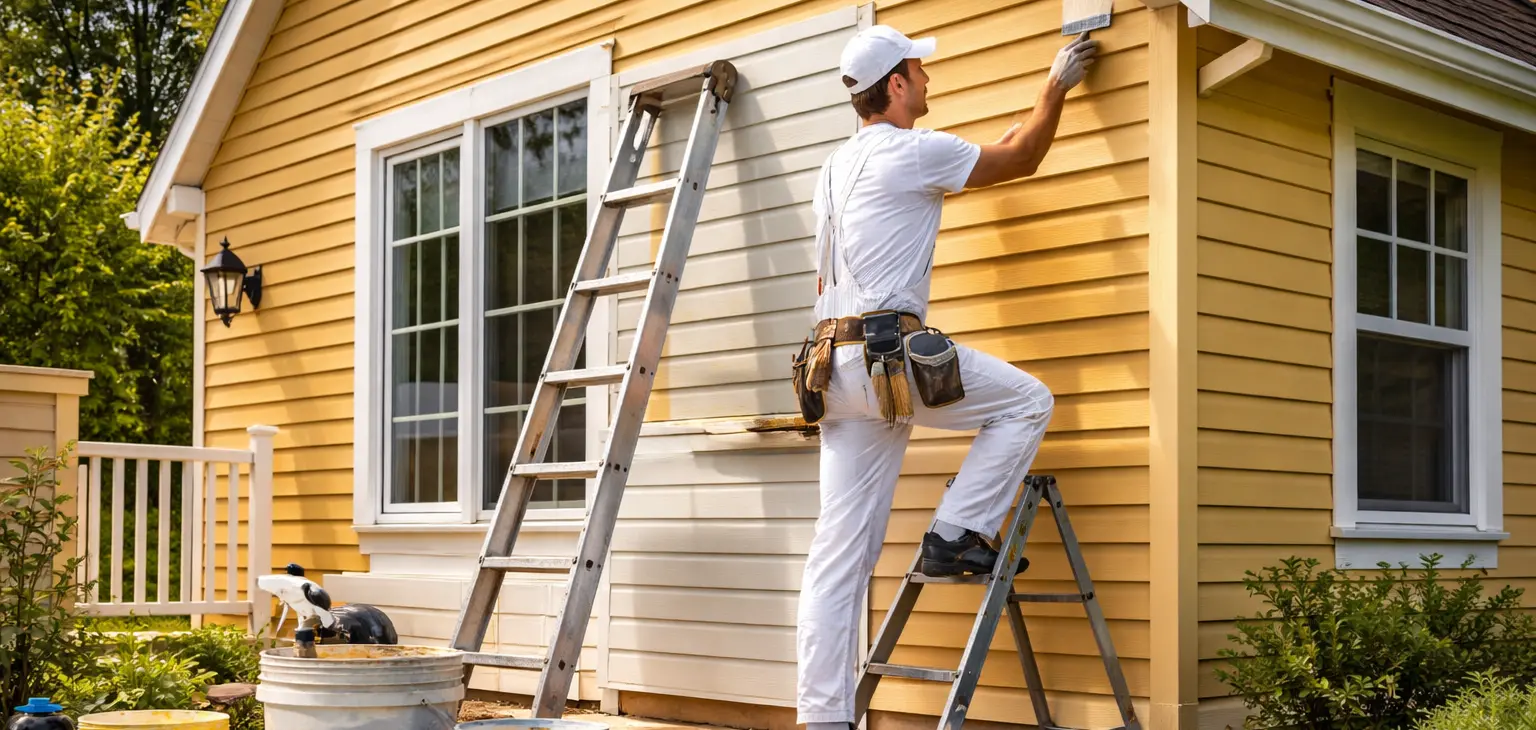

How to Paint Wood Siding?
Wood siding has character. It creaks a little in the cold, warms beautifully in the sun, and tells stories through its grain. But it also faces wind, rain, UV rays, and temperature swings like a true Canadian warrior. Painting wood siding is not just about freshening up the look of your home – it’s about protection, longevity, and smart property maintenance.
Can you paint wood siding yourself? Absolutely. Should you? That depends on how much you enjoy ladders, sanding dust in your hair, and weather forecasts becoming your new best friend. Let’s break it all down step by step – with a bit of practical humor and a professional perspective.
Why Painting Wood Siding Matters More Than You Think
Paint is not makeup. It’s armor.
When properly applied, exterior paint:
- Seals out moisture
- Protects against UV damage
- Prevents rot and mold
- Extends the life of the wood
- Increases curb appeal and property value
Without proper protection, wood siding can absorb moisture, expand, crack, and eventually deteriorate. A good paint job can extend the lifespan of your siding by 10 – 15 years when done correctly.
This is exactly why professional companies like Rennewservices approach painting as a long-term investment, not just a cosmetic touch-up.
Step 1 – Inspect the Siding Like a Detective
Before grabbing a brush, inspect the entire surface carefully.
Look for:
- Peeling or bubbling paint
- Cracks and splits
- Soft or rotting areas
- Mold or mildew
- Nail pops
If more than 25 – 30 percent of the surface is failing, you may need significant prep or even board replacement.
This is where many DIY projects begin to get complicated. Professionals know how to spot hidden damage early – something homeowners often miss until it becomes expensive.
Step 2 – Clean the Surface Properly
Painting over dirt is like putting a tuxedo on after a mud run. It doesn’t end well.
You have two options:
- Pressure washing
- Hand washing with a brush and cleaning solution
Pressure washing is effective but risky. Too much pressure can damage wood fibers or force water behind the siding. If you use one, keep pressure moderate and allow the siding to dry for at least 48 hours.
Professional crews understand the correct PSI levels and drying timelines – one of many reasons why hiring experienced specialists is often safer than experimenting.
Step 3 – Scrape, Sand, and Prime
Preparation is 70 percent of the final result.
Remove all loose and peeling paint using a scraper. After scraping:
- Sand rough edges to feather transitions
- Fill cracks and nail holes with exterior-grade filler
- Replace severely damaged boards
- Prime any bare wood
Skipping primer is one of the most common DIY mistakes. Bare wood absorbs paint unevenly and shortens the life of the coating.
High-quality exterior primers create adhesion and seal porous surfaces. Professionals use products specifically formulated for climate conditions, ensuring durability through harsh seasonal changes.
Step 4 – Choose the Right Paint
Exterior paint is not all created equal.
Look for:
- 100 percent acrylic latex exterior paint
- Mold and mildew resistance
- UV protection
- Flexibility for temperature changes
Finish matters too. Satin and low-lustre finishes are popular for siding because they balance durability and appearance.
Color choice also impacts longevity. Darker colors absorb more heat, which can cause faster expansion and contraction. Lighter tones often last longer and fade less dramatically.
Professional painting companies guide homeowners through color selection based on exposure, architectural style, and durability factors – not just trends.
Step 5 – Timing Is Everything
Painting wood siding requires the right weather window.
Ideal conditions:
- Temperature between 10°C – 25°C
- Low humidity
- No rain in forecast for 24 – 48 hours
- Limited direct midday sun
Painting in direct hot sunlight causes paint to dry too quickly, leading to poor adhesion and visible lap marks.
This is where DIY painters often find themselves racing against the weather. Professionals plan projects strategically, ensuring optimal curing conditions.
Step 6 – Apply Paint the Right Way
Now comes the satisfying part.
You can apply paint using:
- Brush
- Roller
- Sprayer
Each method has advantages.
Brush – excellent for detail work and deep penetration into wood grain.
Roller – efficient for larger flat areas.
Sprayer – fast and smooth but requires experience and careful masking.
Many professionals combine spraying with back-brushing. This technique ensures paint penetrates deeply into the wood while maintaining a uniform finish.
Always apply two coats for maximum durability. The first coat seals. The second coat protects.
Skipping the second coat may save time today but cost you years of durability.
Safety Considerations
Ladders and uneven ground can turn a simple project into a dangerous one.
Common risks include:
- Falls from height
- Electrical line contact
- Improper ladder placement
- Overreaching
Professional crews are trained, insured, and equipped with proper safety gear. What feels like a simple weekend task can quickly become risky without experience.
The Hidden Costs of DIY Painting
At first glance, DIY seems cheaper. Let’s look closer.
Costs include:
- Paint and primer
- Pressure washer rental
- Ladders or scaffolding
- Sanding tools
- Fillers and caulking
- Protective equipment
- Your time
And time is often underestimated. A full exterior siding project can take 5 – 10 days depending on size and preparation needs.
Mistakes also add cost. Uneven application, poor prep, or incorrect product selection can reduce paint lifespan dramatically.
That’s why many homeowners ultimately decide to work with professionals such as Rennewservices, especially when seeking long-term performance rather than short-term savings.
Why Professional Results Look Different
There’s a noticeable difference between a DIY job and one completed by experienced specialists.
Professional painting teams:
- Follow systematic surface preparation
- Use commercial-grade materials
- Apply consistent coating thickness
- Understand wood behavior in varying climates
- Provide warranties
If you’re searching for the best painters Calgary, you’re likely not just looking for someone with a brush – you’re looking for reliability, precision, and results that last.
And that difference shows not just immediately, but five years later when the finish still looks solid and uniform.
When to Definitely Call the Pros
DIY might be reasonable if:
- The home is single-story
- The siding is in good condition
- You have experience with exterior projects
You should strongly consider professional services if:
- There is rot or structural damage
- The home is two or more stories
- Extensive scraping is required
- Time is limited
- You want warranty-backed results
Painting wood siding is physically demanding and technically detailed. It rewards precision and punishes shortcuts.
Final Thoughts – Paint Is Protection
Painting wood siding is more than a cosmetic update. It is preventative maintenance, structural protection, and aesthetic enhancement in one project.
Yes, it can be done yourself with patience, research, and physical stamina. But it requires attention to detail at every stage – from inspection to final coat.
Professional painting companies like Rennewservices combine experience, materials, safety practices, and efficiency to deliver long-lasting results that homeowners can trust.
Sometimes the smartest DIY decision is knowing when not to DIY.
Your siding protects your home every day. Protect it properly in return.