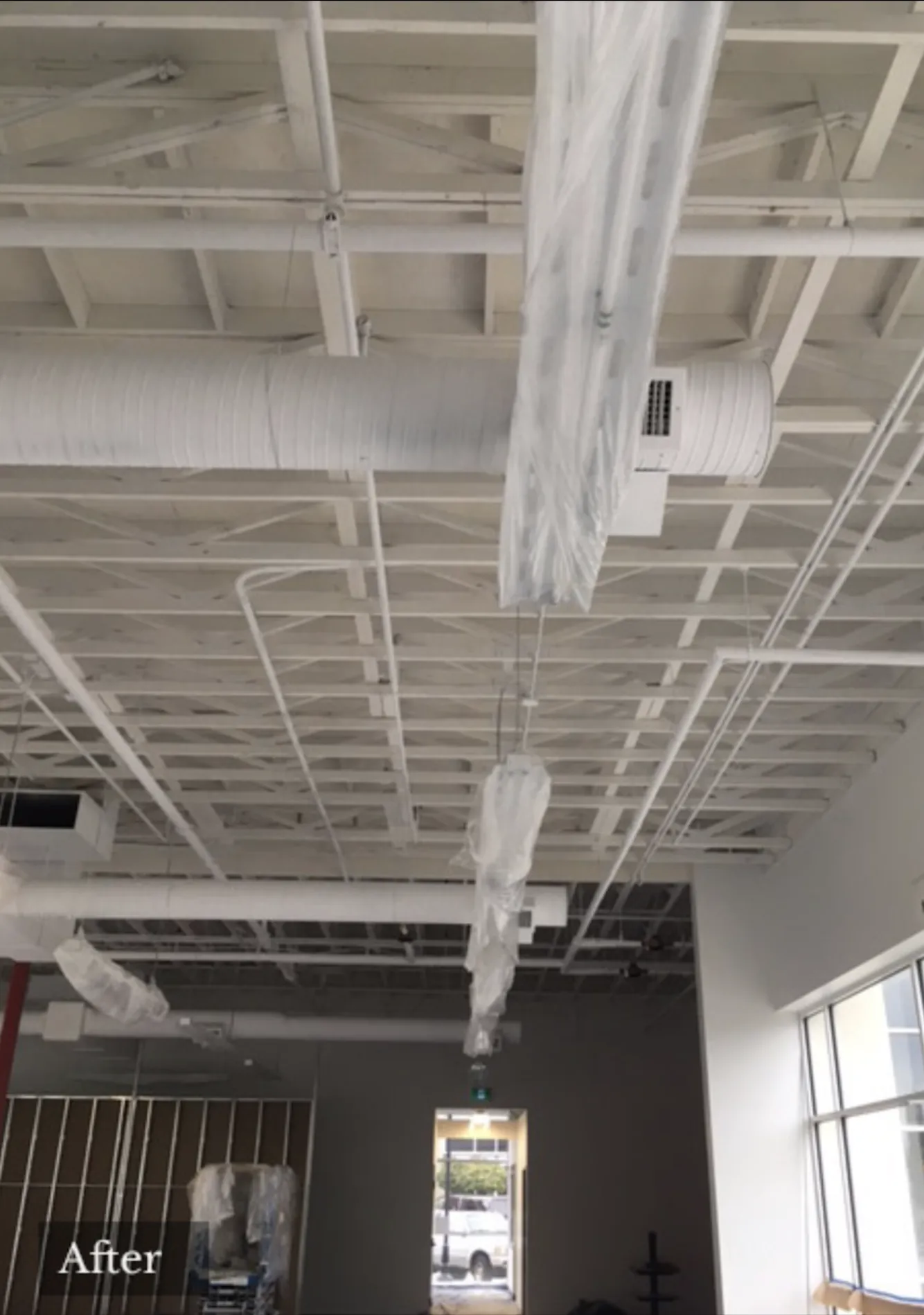
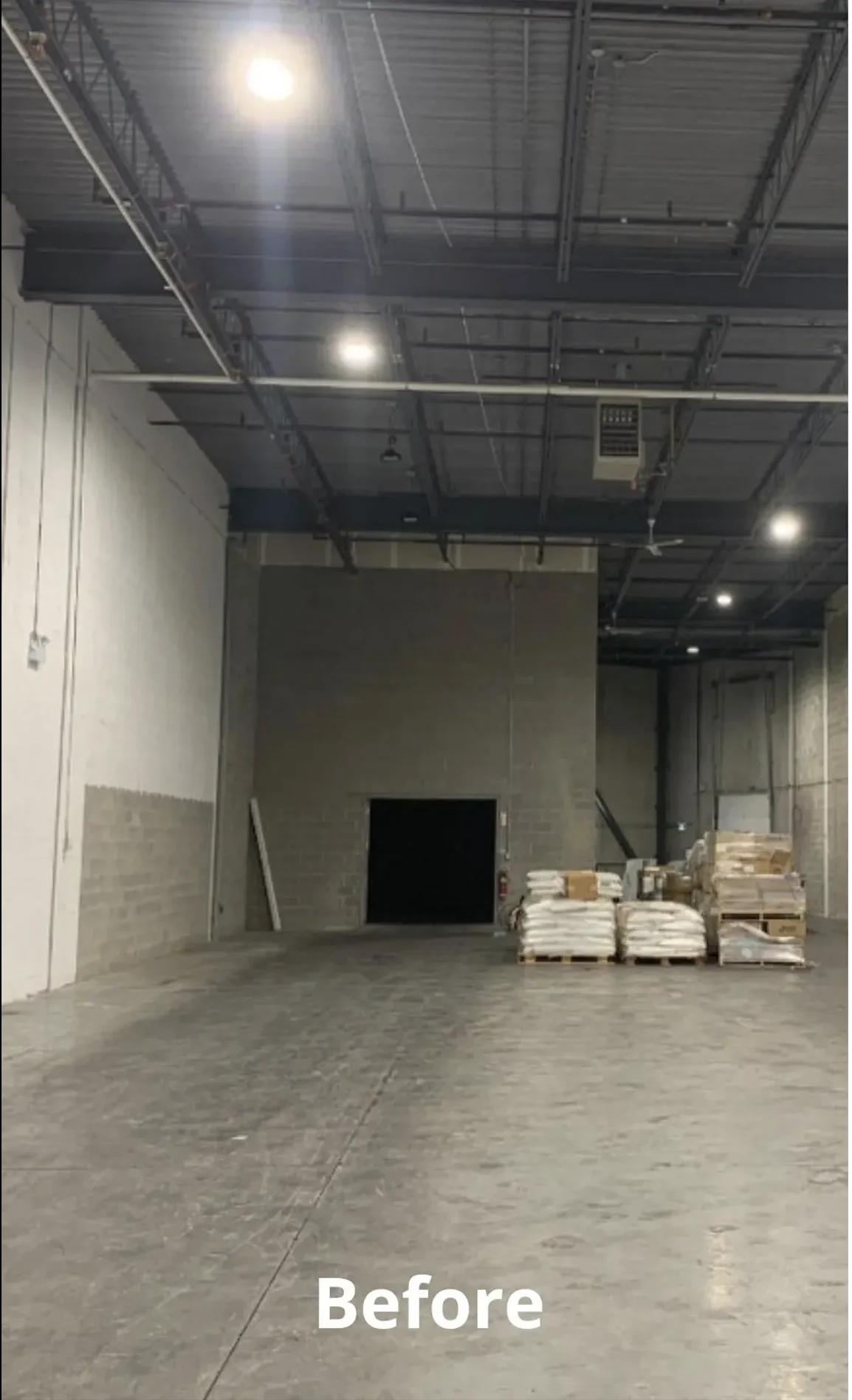
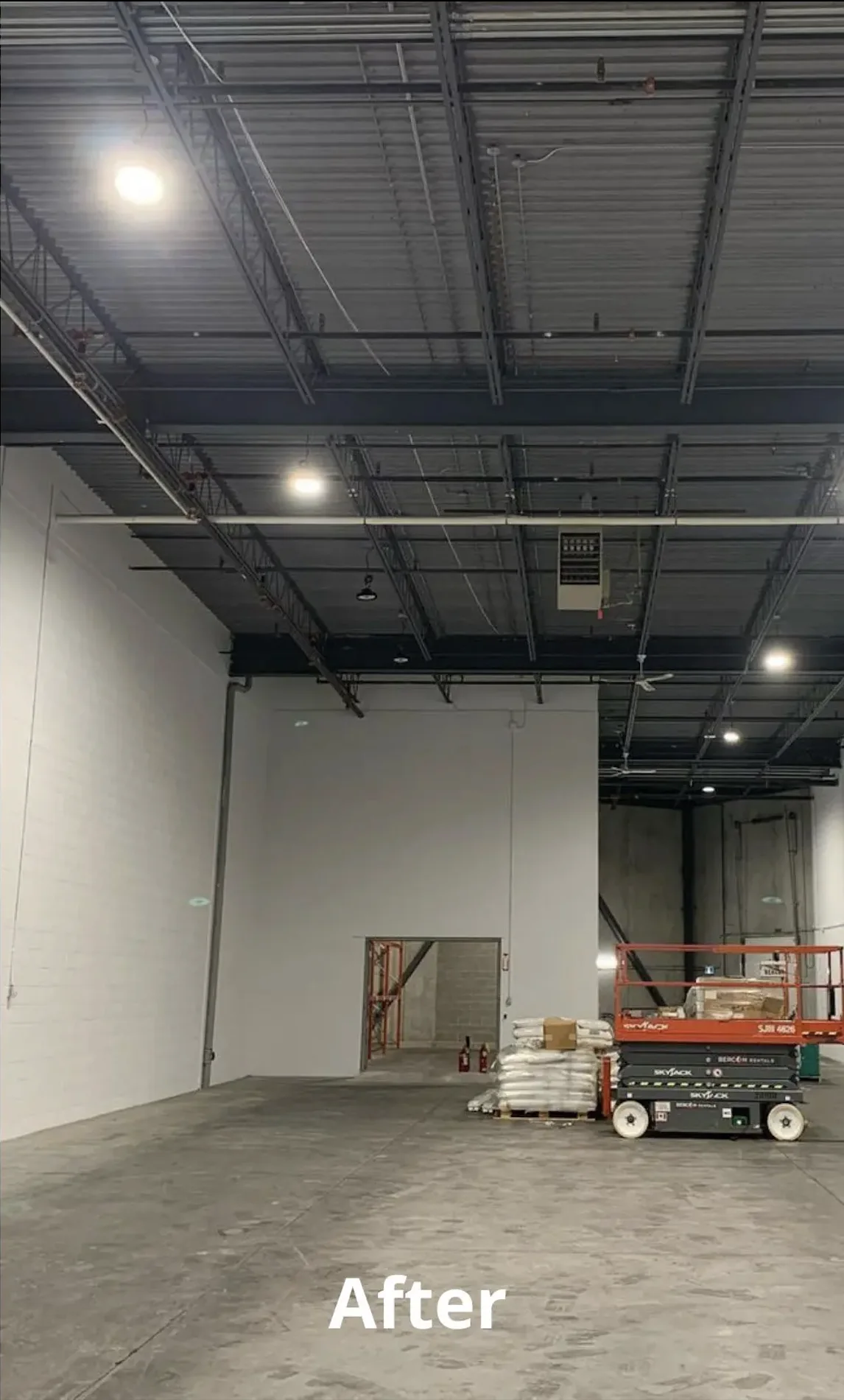
Most people imagine painting services as the simple act of applying color to a surface. In practice, the visible painting stage is only a small part of the process. The majority of time and effort is spent on preparation, because this is where durability, visual consistency, and long-term performance are decided.
Proper preparation creates a stable base that allows paint to bond correctly, cure evenly, and age predictably. When this stage is rushed or skipped, even high-quality paint will fail sooner than expected. The result may look acceptable at first, but problems tend to surface gradually—peeling, uneven sheen, visible patches, or recurring cracks.
A professional preparation process typically includes:
Surface cleaning to remove dust, grease, and residues that interfere with adhesion
Sanding and deglossing to create a uniform texture and eliminate old imperfections
Filling and patching of nail holes, cracks, and minor surface damage
Sealing and spot priming to control absorption and prevent stains from bleeding through
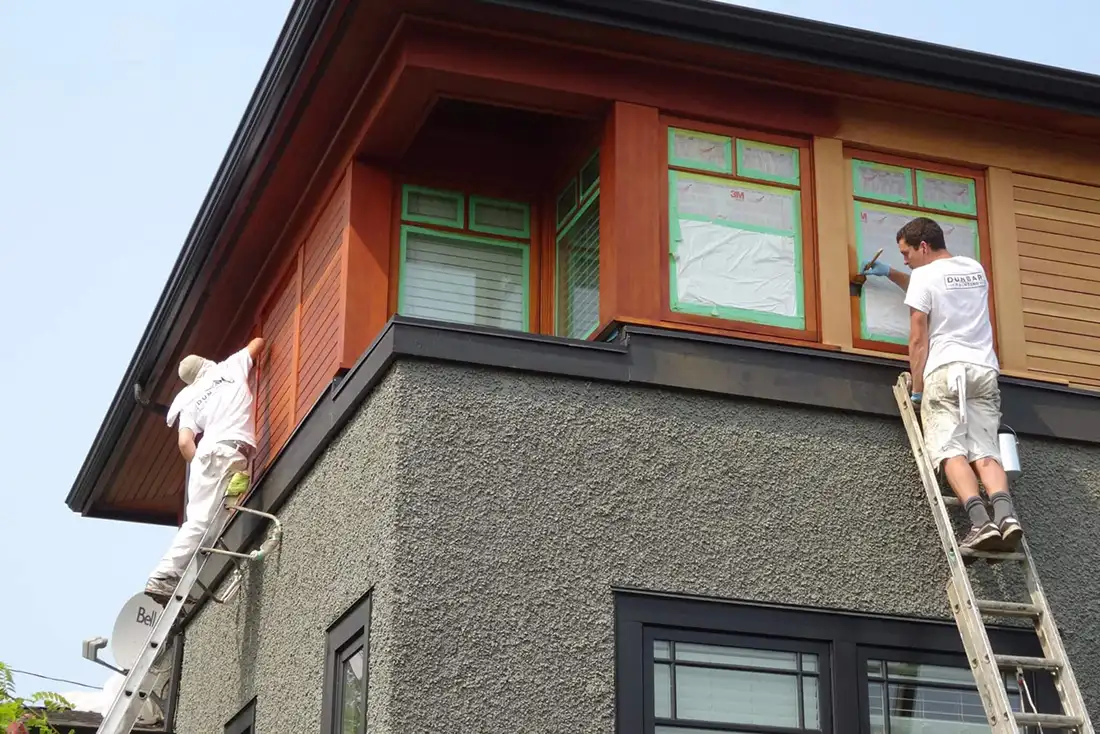
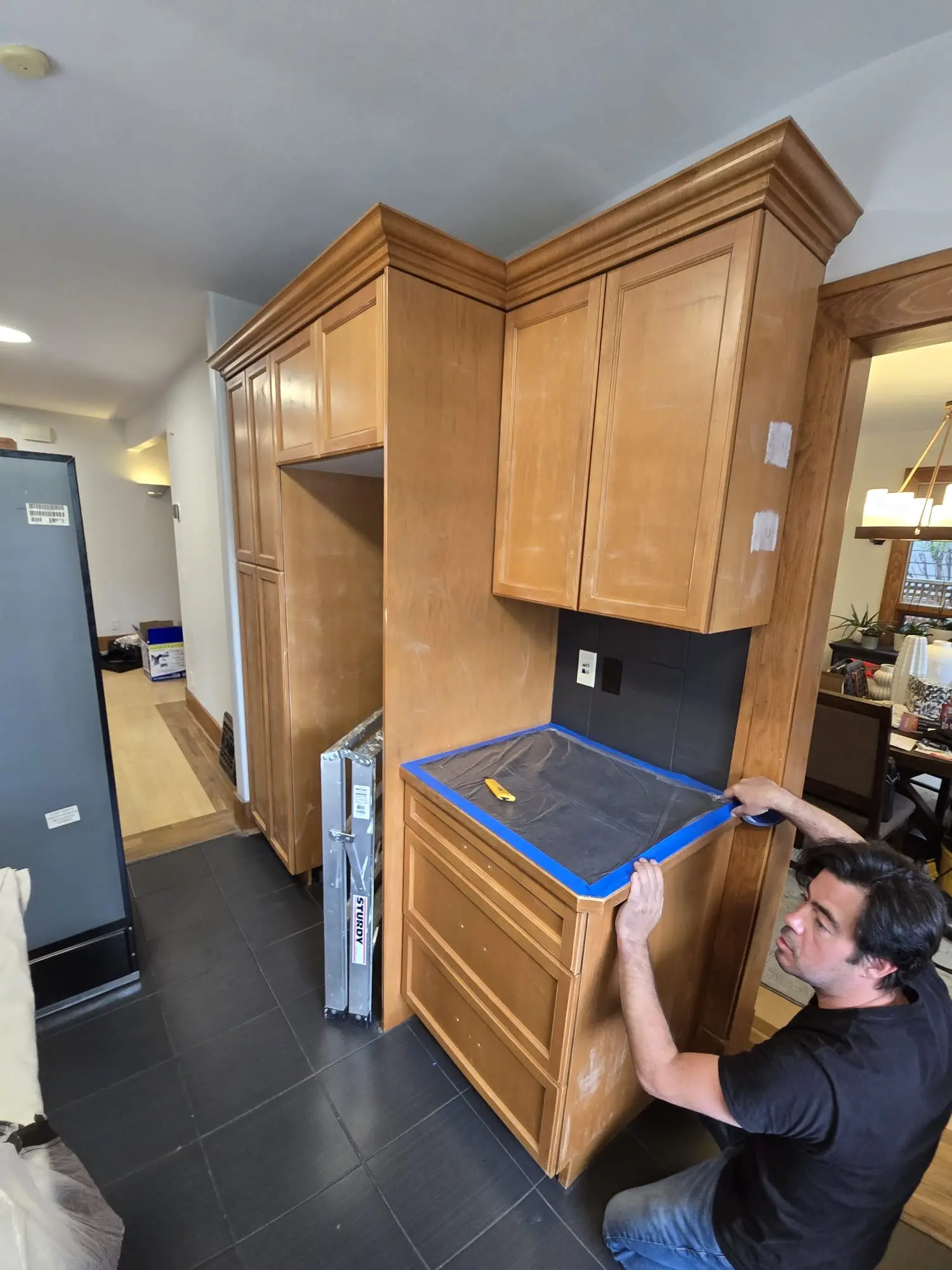
Masking and protection of floors, fixtures, trim, and adjacent surfaces
Final inspection to ensure consistency before any finish coats are applied
Skipping these steps rarely saves money. It simply postpones the cost until repainting becomes unavoidable, often sooner than expected. In painting, the quality of what goes underneath always determines the quality of what’s visible on the surface.