
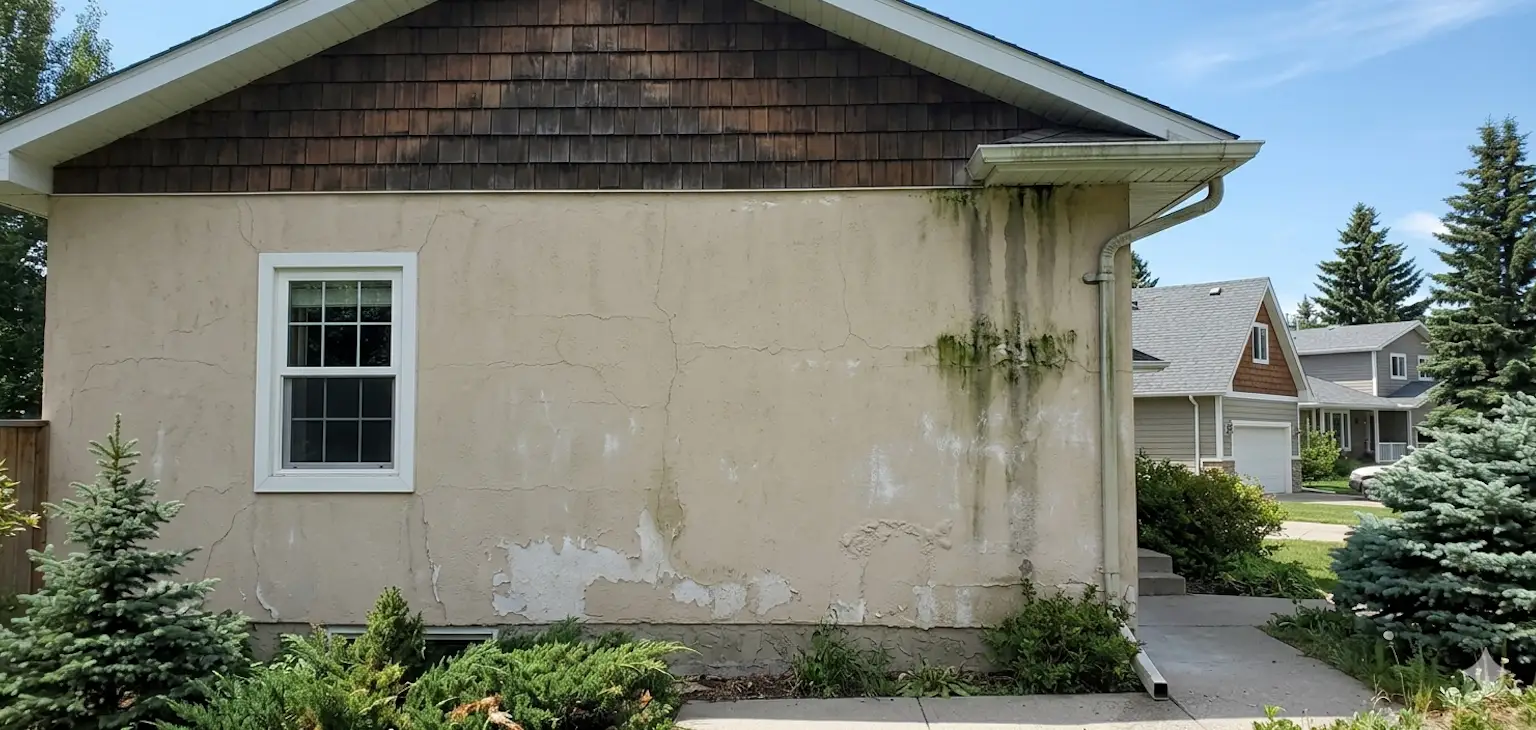

Signs Your Stucco Needs Repainting
Stucco has a reputation for being tough, long-lasting, and low-maintenance — kind of like that one friend who never seems to age. But even the most durable exterior finishes eventually start showing signs of wear. And when stucco begins to deteriorate visually or structurally, repainting isn’t just about looks — it’s about protection, longevity, and preserving your home’s value.
So how do you know when it’s time to stop admiring your walls and start planning a repaint? Let’s break down the key signs — with a bit of practical insight and just enough humor to keep things interesting.
Fading Color – When Your Walls Lose Their Personality
One of the most obvious signs is fading. Stucco paint doesn’t stay vibrant forever — especially after years of exposure to sun, wind, and temperature swings.
If your once-rich exterior now looks washed out, dull, or uneven in color, it’s a clear signal. UV rays break down pigments over time, leaving your home looking tired.
- Bright colors turn pale
- Dark tones become chalky
- The overall finish loses depth
Fading might seem like a cosmetic issue, but it also indicates that the protective layer is weakening. And once that happens, moisture and damage are not far behind.
Cracks and Hairline Fractures – Small Lines, Big Problems
Stucco is strong, but it’s not immune to movement. Seasonal expansion and contraction can cause cracks — some tiny, some more concerning.
Here’s how to read them:
- Hairline cracks – common, but still need attention
- Spiderweb patterns – early warning signs of surface stress
- Wider cracks – potential structural concerns
Paint plays a role in sealing these micro-imperfections. When it starts to fail, those cracks become entry points for water.
Ignoring them is like ignoring a small leak — it won’t stay small for long.
Peeling or Flaking Paint – The Protective Layer Is Gone
Paint on stucco isn’t just decorative — it acts as a barrier against moisture and environmental damage. When it begins to peel or flake, that barrier is compromised.
You might notice:
- Paint curling away from the surface
- Flakes collecting near the base of walls
- Uneven texture across different sections
This often happens due to poor adhesion, age, or previous low-quality applications. Once peeling starts, it spreads quickly — and repainting becomes less optional and more urgent.
Stains and Discoloration – More Than Just Dirt
Not all stains are created equal. Some are harmless surface dirt, while others signal deeper issues.
Common types include:
- Dark streaks from water runoff
- Green or black patches (hello, algae and mildew)
- Rust stains from nearby fixtures
These stains can indicate moisture problems — and stucco doesn’t love staying wet. Over time, that moisture can seep into the material, leading to more serious damage.
A fresh coat of paint, applied correctly, helps repel water and resist biological growth.
Chalky Residue – When Your Walls Feel Like Powder
Run your hand along your stucco. If it comes away dusty or powdery, you’re dealing with chalking.
This happens when paint breaks down due to UV exposure and age. The binder in the paint degrades, leaving behind loose pigment.
Signs include:
- Powder on your hands after touching the wall
- Faded, uneven finish
- Reduced resistance to moisture
Chalking isn’t just messy — it’s a clear sign the paint has lost its protective qualities.
Bubbling or Blistering – Trapped Moisture Strikes Back
If you see bubbles or blisters forming under the paint, that’s usually moisture trying to escape.
This can happen when:
- Water gets trapped beneath the paint layer
- Paint was applied in poor conditions
- The surface wasn’t properly prepared
Blistering weakens the bond between paint and stucco, leading to peeling and further damage. It’s not something that fixes itself — and definitely not something to ignore.
Outdated Appearance – When Your Home Looks Stuck in Time
Let’s be honest — sometimes the biggest issue is simply that your home looks outdated.
Color trends change. Finishes evolve. What looked modern 15 years ago might now feel… nostalgic.
Repainting gives you the opportunity to:
- Refresh your home’s curb appeal
- Align with current design trends
- Increase perceived property value
And yes, neighbors will notice. They always do.
Increased Maintenance – When Problems Keep Coming Back
If you find yourself constantly cleaning, patching, or touching up your stucco, that’s a sign the current paint system is no longer doing its job.
Good exterior paint should:
- Resist dirt and moisture
- Maintain color consistency
- Reduce the need for frequent upkeep
When it stops doing these things, repainting becomes the smarter — and often more cost-effective — solution.
Why Professional Stucco Painting Matters
At this point, the temptation to grab a ladder and a paint roller might kick in. It seems straightforward, right?
Not quite.
Stucco is a porous, textured material that requires specific preparation, products, and techniques. Without proper handling, even a fresh coat can fail prematurely.
Professional services like stucco painting Calgary ensure:
- Proper surface cleaning and repair
- Use of breathable, high-quality coatings
- Even application across textured surfaces
- Long-lasting protection against harsh weather
There’s a big difference between “paint applied” and “paint that actually performs.”
The Hidden Value of Expert Contractors
Repainting stucco isn’t just a paint job — it’s part of a larger exterior maintenance strategy.
Experienced home renovation contractors in Calgary understand how different elements of your home interact — from siding and insulation to moisture control and structural movement.
Working with professionals means:
- Issues are identified before they become expensive
- Materials are chosen based on climate and surface type
- The final result looks better and lasts longer
It’s not just about avoiding mistakes — it’s about getting it right the first time.
Final Thoughts – Don’t Wait Until It’s Too Late
Stucco is durable, but it’s not invincible. The signs are usually there — fading, cracking, peeling, staining — quietly building up until the problem becomes impossible to ignore.
Catching these issues early and investing in a professional repaint doesn’t just improve how your home looks. It protects your structure, reduces long-term costs, and adds real value.
And let’s face it — a freshly painted exterior just feels good.