
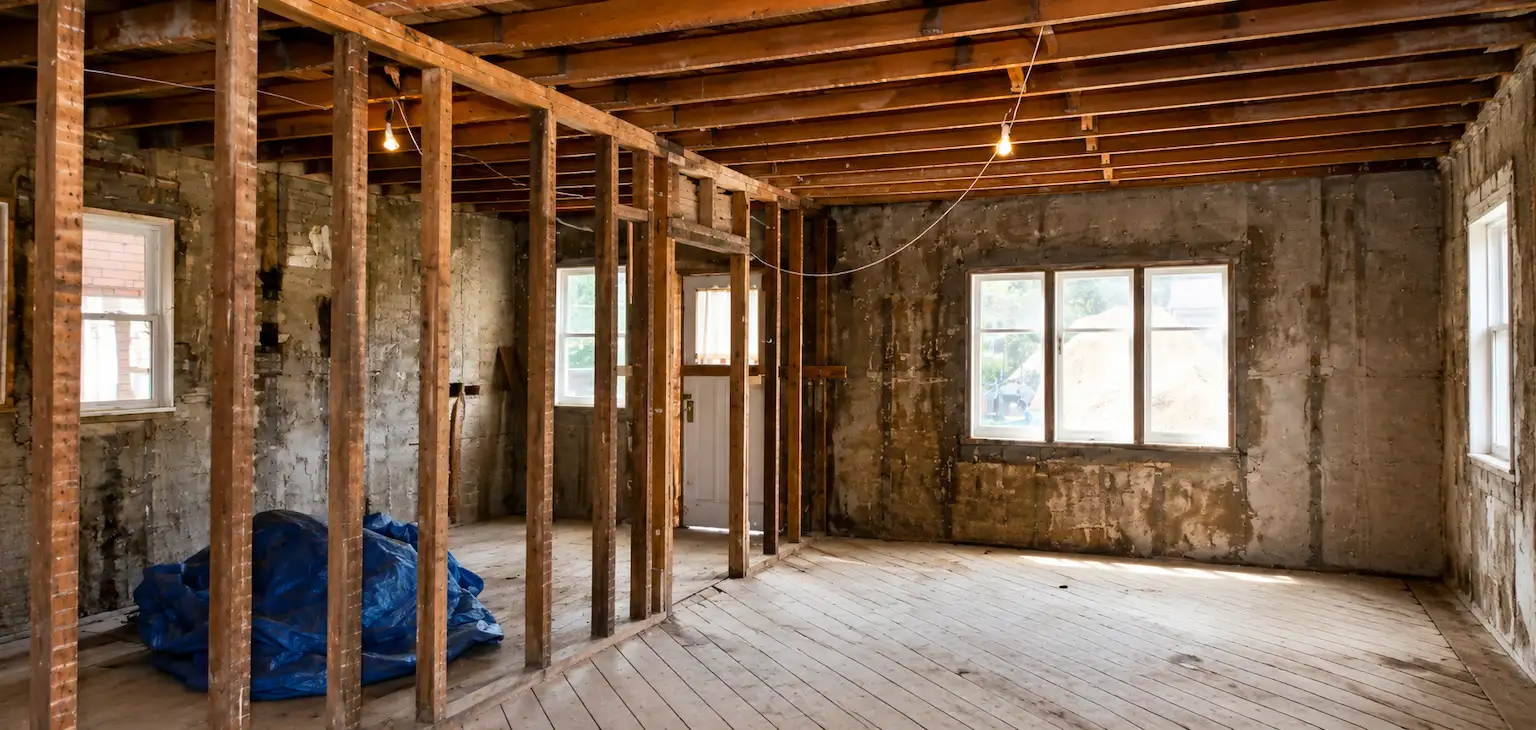

Renovating a 1970s House: What Usually Needs to Be Updated?
Homes built in the 1970s have a certain unmistakable personality. They often feature generous living spaces, practical layouts, large windows, solid structural materials, and enough brown, orange, and avocado green to make visitors wonder whether they have accidentally walked into a vintage television commercial.
Despite their unusual colour choices, many houses from this era were built well. The main problem is that even a solid home begins to show its age after five decades. Building standards have changed, families use their homes differently, and materials that once seemed modern may now be inefficient, outdated, or simply tired.
Renovating a 1970s house is not necessarily about removing every trace of its original character. A successful renovation should improve comfort, safety, efficiency, and appearance while preserving the features that still work. Before choosing countertops or debating between twelve nearly identical shades of white, homeowners should understand which areas usually need the most attention.
Start With a Professional Inspection
Before making cosmetic changes, it is important to understand the actual condition of the house. Some problems are obvious, such as damaged flooring or peeling paint. Others may be hiding behind walls, beneath insulation, or inside an electrical panel that has not been opened since disco was considered a reasonable fashion choice.
A professional inspection can identify issues involving:
- Electrical wiring and service capacity
- Plumbing systems
- Insulation
- Moisture damage
- Roofing
- Foundations
- Ventilation
- Windows and exterior doors
- Potentially hazardous materials
This information helps homeowners prioritize renovation work and avoid unpleasant surprises. It is far better to discover an outdated plumbing line before installing new flooring than after water begins appearing in the basement ceiling.
Electrical Systems Often Need Modernization
Electrical demands were much lower in the 1970s. A typical household did not have multiple computers, large entertainment systems, electric vehicle chargers, home offices, smart appliances, and enough phone chargers to power a small airport.
Older houses may have limited electrical panels, fewer outlets, outdated wiring, or circuits that are no longer suitable for modern equipment. Kitchens and bathrooms may also lack the type of protected outlets required under current safety standards.
An electrician may recommend upgrading the electrical panel, adding dedicated circuits, replacing damaged wiring, installing additional outlets, and improving lighting throughout the house. These updates can make the home safer and much more practical.
Electrical work is not an ideal weekend experiment. Watching three online videos does not turn a homeowner into a licensed electrician, even if the person in the video says the job is “super easy.”
Plumbing Deserves a Close Look
Plumbing materials can deteriorate over time, especially around connections, shut-off valves, drains, and frequently used fixtures. Even when the system is still functioning, older pipes may restrict water flow or increase the risk of leaks.
During a major renovation, professionals should inspect visible and accessible plumbing lines. This is particularly important when renovating kitchens, bathrooms, laundry rooms, and basements.
Common plumbing updates include:
- Replacing aging supply lines
- Updating shut-off valves
- Repairing slow or damaged drains
- Installing efficient toilets and faucets
- Improving water pressure
- Moving plumbing for a redesigned kitchen or bathroom
Updating plumbing while walls and floors are already open is usually more affordable than returning to the same area later.
Insulation and Air Sealing Can Improve Comfort
Many houses from the 1970s have less insulation than modern homes. Air leaks may also develop around windows, doors, attic openings, electrical outlets, and other penetrations in the building envelope.
Poor insulation can create cold rooms, uncomfortable drafts, uneven temperatures, and higher energy bills. It can also make certain parts of the home feel like separate climate zones.
Improving attic insulation, sealing air leaks, upgrading exterior wall insulation where practical, and addressing poorly insulated basement areas can make a major difference. These updates are not as visually exciting as a new kitchen, but homeowners tend to appreciate them every month when utility bills arrive.
Windows and Exterior Doors May Be Inefficient
Original windows can become difficult to open, cloudy, drafty, or damaged around the frames. Exterior doors may also allow air and moisture to enter, particularly if the weatherstripping and seals have deteriorated.
Replacement windows and doors can improve energy efficiency, security, sound control, and overall appearance. However, replacement is not always the only solution. Some units may simply need new seals, hardware, trim repairs, or professional painting.
The surrounding areas should also be inspected carefully. Water stains, soft wood, peeling finishes, and cracked caulking may indicate that moisture has been entering for some time.
Kitchens Usually Need More Than New Cabinet Handles
A 1970s kitchen may include sturdy cabinetry, but its layout and finishes often feel dated. Limited counter space, poor lighting, bulky overhead cabinets, worn surfaces, and a shortage of outlets are common concerns.
A complete kitchen renovation may involve changing the layout, replacing cabinets, upgrading appliances, improving ventilation, adding lighting, and installing durable modern surfaces.
However, homeowners do not always need to remove everything. If the cabinet boxes are still strong, professional cabinet painting can create a dramatic transformation at a much lower cost than full replacement. New hardware, updated countertops, improved lighting, and freshly painted cabinets can make the kitchen feel completely different.
Cabinet painting requires careful cleaning, sanding, priming, and application. Regular wall paint is not designed for this job. Without the correct preparation and coatings, painted cabinets may begin chipping around handles and edges before the homeowner has finished celebrating the renovation.
Bathrooms Need Better Ventilation and Waterproofing
Bathrooms from this period may have outdated fixtures, small vanities, limited storage, poor lighting, and colourful tiles that are difficult to describe politely.
The appearance is only part of the concern. Older bathrooms may lack proper waterproofing behind tiles, and ventilation fans may be weak, noisy, or completely ineffective. Moisture can lead to damaged drywall, peeling paint, mildew, and hidden deterioration.
A bathroom renovation should address ventilation, plumbing, waterproofing, lighting, storage, and slip-resistant surfaces. Moisture-resistant primers and high-quality bathroom paint should be used on walls and ceilings.
This is another area where professional work matters. A beautiful bathroom is much less impressive when the shower begins leaking into the room below.
Interior Walls, Ceilings, and Trim Often Show Their Age
After decades of use, walls may contain dents, cracks, old repairs, stains, textured finishes, or several layers of paint. Baseboards, doors, window trim, and other woodwork may also look worn or heavily dated.
Professional painting is one of the most effective ways to modernize a 1970s home. A carefully selected colour palette can make rooms appear brighter, larger, and more connected. Fresh paint also helps highlight architectural features while reducing the visual impact of dated elements.
Preparation is the most important part of a lasting paint job. Professionals may need to:
- Repair cracks and damaged drywall
- Fill holes and uneven areas
- Sand rough surfaces
- Remove loose coatings
- Treat stains
- Prime repaired or difficult surfaces
- Caulk gaps around trim
- Protect floors, furniture, and fixtures
Skipping preparation is tempting because it does not produce exciting before-and-after photographs. Unfortunately, it is also the fastest way to create peeling paint, visible patches, rough walls, and roller marks.
Companies such as Rennew Services can coordinate painting with larger renovation work, helping homeowners achieve a consistent and polished result throughout the property.
Exterior Finishes May Need Repair and Repainting
The exterior of a 1970s house may include wood siding, stucco, brick, concrete, or a combination of materials. Over time, exposure to sunlight, wind, moisture, snow, and temperature changes can damage coatings and sealants.
Exterior renovation work may include:
- Repairing damaged siding or stucco
- Replacing deteriorated trim
- Sealing cracks and gaps
- Updating exterior lighting
- Repainting doors, siding, and architectural details
- Improving drainage around the house
- Restoring decks, fences, and railings
Exterior painting is not only about appearance. A properly prepared and applied coating helps protect surfaces from moisture and weather damage. Painting over loose material or hidden rot only covers the problem temporarily. It is the renovation equivalent of placing a decorative cushion over a broken chair.
Flooring May Be Worn or Difficult to Match
Original flooring can include carpet, vinyl, tile, parquet, or hardwood. Some materials may still be in good condition, while others may be stained, damaged, uneven, or no longer suitable for the homeowner’s lifestyle.
Before replacing flooring, the subfloor should be checked for movement, moisture damage, squeaks, and uneven areas. This is especially important when installing large-format tile, engineered wood, or luxury vinyl plank.
In some cases, existing hardwood can be refinished rather than replaced. This preserves the character of the house while reducing waste and renovation costs.
Older Materials Should Be Handled Carefully
Some houses built during this period may contain materials that require professional assessment before removal or disturbance. These can be found in certain ceiling textures, flooring products, adhesives, insulation, and other building components.
Homeowners should avoid sanding, cutting, scraping, or demolishing questionable materials until they have been properly evaluated. A professional renovation team can arrange testing and develop a safe plan when necessary.
This is particularly important before removing textured ceilings or beginning extensive wall repairs.
Layout Changes Should Be Planned Carefully
Open-concept living remains popular, but removing walls is not always the best solution. Some walls may be structural, contain plumbing or electrical systems, or provide useful separation between living areas.
A good renovation should reflect how the household actually uses the space. Some families benefit from a fully open layout, while others prefer a combination of connected rooms and quieter private areas.
Before removing walls, homeowners should consider storage, furniture placement, lighting, sound control, and traffic flow. A professional can help determine whether a structural change will genuinely improve the home or simply create one enormous room with nowhere sensible to place a sofa.
Professional Renovation Creates a More Consistent Result
Renovating a 1970s house often involves several connected systems. Electrical work affects walls. Plumbing work affects cabinets and flooring. Drywall repairs affect painting. Exterior repairs affect caulking and protective coatings.
Hiring experienced professionals helps ensure that each stage is completed in the correct order. It also reduces the risk of repeating work because one project damaged another newly finished area.
For homeowners researching reliable home renovation services in Calgary, it is worth choosing a company that can manage both practical upgrades and detailed finishing work. A coordinated approach creates better results than hiring unrelated contractors without a clear overall plan.
A 1970s House Can Become a Modern, Comfortable Home
A house from the 1970s is not necessarily outdated beyond repair. In many cases, it has strong bones, useful space, mature surroundings, and features that would be expensive to reproduce today.
The key is to begin with essential systems, address hidden problems, and then improve the visible finishes. Electrical upgrades, plumbing repairs, insulation, ventilation, windows, and waterproofing should usually come before decorative decisions.
Once the practical work is complete, professional painting can bring everything together. Fresh walls, updated trim, refinished cabinets, and protected exterior surfaces can transform the home without removing all of its original charm.
A thoughtful renovation allows a 1970s house to keep its personality while leaving behind the parts of the decade that are better remembered in photographs.

About Author Illia Bespalko
Leave a Reply