

Repainting vs Re-stuccoing: What’s Worth It?
Your home’s exterior is like a first date outfit – it tells a story before anyone even rings the doorbell. Cracked stucco, fading paint, or discoloration can quietly whisper “neglected,” even if everything inside is spotless. That’s where the classic dilemma appears: should you repaint your stucco exterior, or is it time to go all-in and re-stucco?
At first glance, repainting feels like the quick glow-up – affordable, fast, and satisfying. Re-stuccoing, on the other hand, sounds like a full transformation – more work, more cost, but potentially longer-lasting. The real answer depends on what’s actually happening beneath the surface.
Let’s break it down step by step so you can make a smart decision instead of just a hopeful one.
What Repainting Actually Does – And Doesn’t Do
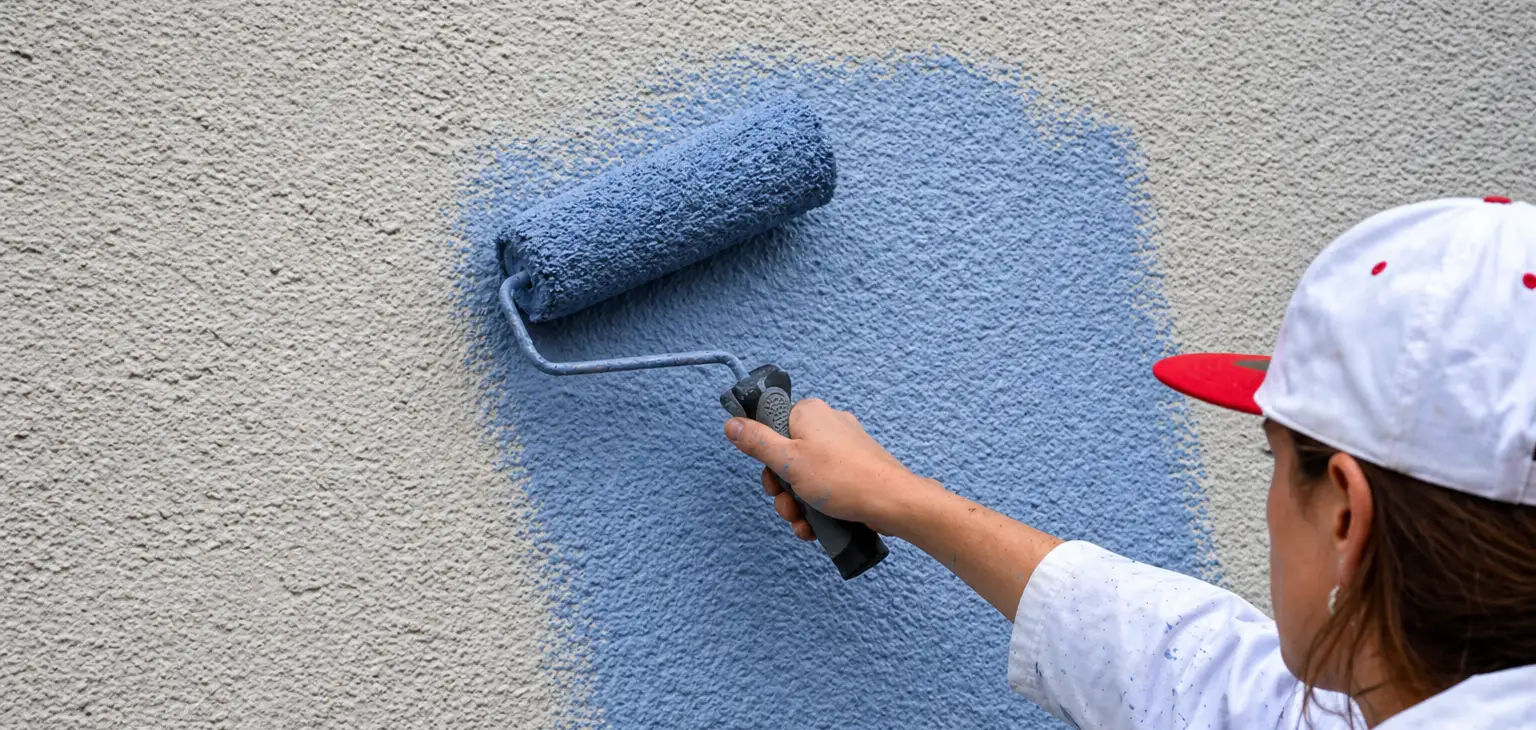
Repainting stucco is essentially giving your home a fresh skin tone without changing the structure underneath. It’s a cosmetic upgrade with some protective benefits.
When done correctly, repainting:
- Restores color and curb appeal
- Adds a protective layer against moisture and UV damage
- Extends the life of existing stucco
However, it’s important to understand what repainting does not fix:
- Deep cracks or structural damage
- Water intrusion issues
- Loose or deteriorating stucco layers
Think of repainting like a high-quality haircut. It makes everything look cleaner and sharper, but it won’t fix a broken bone.
A professional team experienced in stucco paint in Calgary will always start with a proper inspection and surface preparation. This includes cleaning, sealing minor cracks, and using breathable coatings that allow moisture to escape. Skipping these steps turns repainting into a short-term bandage instead of a lasting solution.
When Repainting Makes the Most Sense
Repainting is the right move when your stucco is structurally sound but visually tired.
Here are clear signs repainting is enough:
- Fading or uneven color
- Minor hairline cracks
- Slight surface wear
- No signs of moisture damage or bubbling
In these cases, repainting is cost-effective and efficient. It can dramatically improve your home’s appearance without the complexity of full stucco replacement.
Another advantage – speed. A repainting project can often be completed quickly, meaning less disruption to your routine. And when handled by a skilled painting company in Calgary, the results look clean, consistent, and durable.
When Re-stuccoing Becomes the Smarter Investment
Now let’s talk about the heavier option – re-stuccoing. This isn’t just a surface-level fix. It involves removing damaged material and applying a new stucco system.
You should seriously consider re-stuccoing if you notice:
- Large or spreading cracks
- Stucco separating from the wall
- Water damage or mold
- Soft or crumbling areas
- Previous poor installation
These issues go beyond appearance. They signal that the integrity of your exterior is compromised. Painting over them is like putting a fresh coat of paint on a leaking boat – it looks better for a moment, but the problem is still sinking beneath you.
Re-stuccoing is more expensive upfront, but it resets the lifespan of your exterior. It also improves insulation performance and weather resistance when done properly.
Cost Comparison – Short-Term vs Long-Term Thinking
Let’s be honest – cost is often the deciding factor.
Repainting:
- Lower upfront cost
- Faster completion
- Ideal for maintenance and aesthetic upgrades
Re-stuccoing:
- Higher upfront investment
- Longer project timeline
- Necessary for structural repair
The key difference lies in longevity. A high-quality repaint can last 7–10 years with proper care. Re-stuccoing can last decades.
So the real question becomes: are you maintaining a healthy surface or trying to fix a failing one?
If the stucco underneath is in good condition, repainting gives you strong value for your money. If it’s deteriorating, repainting becomes a temporary fix that may cost more in the long run.
The Hidden Factor – Moisture and Climate Impact
Exterior surfaces deal with constant stress – temperature changes, moisture, and UV exposure. Stucco is designed to handle these elements, but only when it’s properly maintained.
Moisture is the silent troublemaker. If water gets behind the stucco layer, it can lead to cracking, bubbling, and eventual failure.
Repainting helps by adding a breathable barrier. Re-stuccoing goes further by addressing the underlying system and preventing future water intrusion.
This is where professional evaluation becomes critical. A trained eye can spot early warning signs that are easy to miss, saving you from costly mistakes.
DIY vs Professional Work – Where Things Go Wrong
It’s tempting to think repainting is a simple weekend project. A ladder, a roller, and a few buckets of paint – what could go wrong?
Quite a lot, actually.
Common DIY mistakes include:
- Using the wrong type of paint for stucco
- Skipping surface preparation
- Sealing cracks improperly
- Applying uneven coats
Stucco requires breathable coatings and precise application techniques. Without them, moisture can get trapped, leading to peeling and damage.
Re-stuccoing is even more complex. It involves proper layering, curing, and material selection. One small mistake can compromise the entire system.
Professional crews bring experience, tools, and knowledge that ensure the job is done right the first time. That’s not just convenience – it’s protection for your investment.
A Balanced Approach – Sometimes It’s Both
Here’s something many homeowners don’t consider: the solution isn’t always one or the other.
In some cases, partial repairs combined with repainting deliver the best outcome. Damaged sections are restored, while the rest of the surface gets a fresh, uniform finish.
This approach:
- Reduces overall cost
- Extends the life of existing stucco
- Maintains visual consistency
It’s a strategic middle ground that balances budget and durability.
Final Verdict – What’s Actually Worth It?
There’s no universal answer, but there is a clear way to decide.
Choose repainting if:
- Your stucco is structurally sound
- The issue is mostly visual
- You want a fast and cost-effective upgrade
Choose re-stuccoing if:
- There’s visible damage or deterioration
- Moisture issues are present
- You want a long-term structural solution
And if there’s uncertainty, the smartest move is simple: get a professional assessment.
A reliable contractor doesn’t just sell a service – they diagnose the problem and recommend the most practical solution. That’s the difference between spending money and investing it wisely.
In the end, your home deserves more than guesswork. Whether it’s a fresh coat of paint or a full exterior reset, making the right choice now saves time, money, and stress later.
Leave a Reply